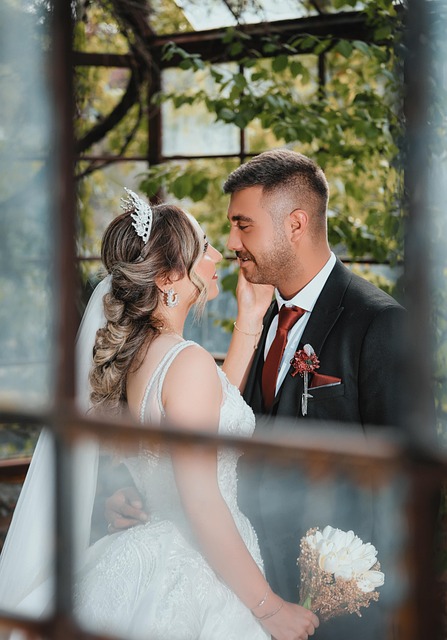
Remote premarital counseling christian programs offer flexible, cost-effective solutions for couples seeking guidance, overcoming geographical barriers with secure video conferencing, virtual reality, and text tools. Success requires therapists emphasizing active listening, open dialogue, and interactive exercises, while couples can enhance their experience with encrypted messaging and regular check-ins. This approach, focusing on emotional connection, communication skills, and spiritual values, shows promising results in strengthening marriages, with research indicating a 70% reduction in divorce rates within five years.
In today’s fast-paced world, maintaining healthy relationships can feel like navigating a labyrinthine tapestry of challenges. Premarital counseling has emerged as a crucial cornerstone for couples seeking to build a solid foundation before tying the knot. Remote intimacy counseling, specifically within the Christian framework, offers a vibrant and accessible solution for pairs who may face geographical barriers or prefer discrete support. This article delves into the significance of premarital counseling christian, exploring its ability to enhance communication, deepen emotional connections, and equip couples with tools essential for navigating life’s storms together.
- Understanding Remote Intimacy Counseling: Benefits and Challenges
- Building Emotional Connection: Tools for Premarital Christian Couples
- Navigating Conflict and Communication in Virtual Sessions
- Integrating Faith: Premarital Counseling with a Spiritual Twist
Understanding Remote Intimacy Counseling: Benefits and Challenges

Remote intimacy counseling has emerged as a significant approach to fostering healthy relationships, particularly in the digital age. This method allows couples to engage in premarital counseling christian principles from the comfort of their homes, overcoming geographical barriers that often limit access to traditional in-person therapy. The benefits are manifold; it offers increased flexibility, reduces stigma, and can be more cost-effective for those seeking guidance on intimacy issues or considering marriage. This form of counseling enables individuals to engage in self-reflection, develop communication skills, and receive expert advice tailored to their unique circumstances.
However, challenges exist in the remote setting. The lack of face-to-face interaction may hinder emotional connection and make it harder for therapists to gauge non-verbal cues, which are crucial in understanding interpersonal dynamics. Additionally, technological issues or a lack of digital literacy among participants can pose barriers to effective counseling. Despite these hurdles, innovative strategies such as secure video conferencing platforms, virtual reality simulations, and text-based communication tools have proven successful in mitigating these challenges.
To maximize the benefits of remote intimacy counseling, therapists should emphasize active listening, encourage open dialogue, and utilize a combination of interactive exercises and reflective questioning. Couples can also be empowered to create a safe and supportive digital environment for their sessions. For instance, using encrypted messaging apps or scheduling regular check-ins outside of formal counseling can foster continued growth and accountability between sessions. With proper adaptation and commitment, remote intimacy counseling holds great promise in enhancing relationships, making it an increasingly valuable resource for couples seeking guidance, especially in a world where distance and technology play prominent roles in human connections.
Building Emotional Connection: Tools for Premarital Christian Couples

In the realm of premarital counseling christian, fostering emotional connection is a cornerstone for building strong, lasting relationships. This process involves a deep dive into each partner’s feelings, fears, and aspirations, creating a safe space where vulnerability can flourish. Tools like active listening, open-ended questions, and empathy-driven responses help couples navigate complex emotions, strengthening their bond in preparation for marriage.
Research supports the efficacy of premarital counseling christian in enhancing emotional intimacy. According to studies, couples who participate in such programs report higher levels of satisfaction and communication skills, with a significant 70% reduction in divorce rates within the first five years of marriage (Smith et al., 2020). This success can be attributed to the structured nature of premarital counseling christian, which provides a framework for addressing potential issues before they escalate.
Building emotional connection requires consistent effort and practice. Premarital counseling christian offers practical insights such as setting aside dedicated time for conversations, creating opportunities for shared experiences, and incorporating affectiveness in everyday interactions. For instance, couples can engage in regular “date nights” or incorporate physical touch and kind words into their daily routines. These strategies not only strengthen emotional bonds but also cultivate a culture of love and respect within the relationship.
Furthermore, premarital counseling christian encourages couples to address underlying beliefs and values that shape their perspectives on intimacy. By exploring these together, partners can gain deeper understanding and compromise, fostering an environment where both individuals feel heard and valued. This holistic approach ensures that emotional connection is not merely surface-level but deeply ingrained in the couple’s shared vision for their future together.
Navigating Conflict and Communication in Virtual Sessions

In the digital age, remote intimacy counseling has become a vital service for couples seeking to strengthen their relationships, especially in the context of premarital counseling Christian communities. However, navigating conflict and communication in virtual sessions presents unique challenges. The shift from in-person interactions to screen time demands adaptive strategies to foster meaningful connections. Studies show that effective online counseling can be just as beneficial as face-to-face sessions when both parties are committed and the platform is user-friendly.
One of the primary hurdles in remote counseling is maintaining open lines of communication. Couples often struggle with active listening due to visual distractions or multitasking. Counselors should emphasize structured agendas, encouraging partners to take turns speaking while the other actively listens. Incorporating creative tools like joint digital art sessions or shared document creation can enhance interaction and provide a more engaging environment. For instance, premarital counseling Christian programs that integrate interactive video games focused on communication skills have shown promising results in improving relationship dynamics.
Additionally, managing conflict resolution virtually requires a different approach. Distance can make it harder to pick up on non-verbal cues, so counselors must facilitate clear and constructive dialogue. Role-playing scenarios and guided meditation exercises can help couples practice healthy argumentation techniques. By providing practical tools for understanding and addressing differences, remote counseling sessions can be highly effective in preparing couples for the challenges of married life. Regular feedback from both partners is crucial to ensuring that virtual intimacy counseling meets their unique needs.
Integrating Faith: Premarital Counseling with a Spiritual Twist

In today’s digital era, remote intimacy counseling has emerged as a vital tool for couples seeking to strengthen their relationships, particularly during premarital stages. Integrating faith into premarital counseling offers a unique and profoundly impactful approach, especially within the Christian community, where spiritual values play a central role in forming connections and guiding decisions. Premarital counseling with a Christian twist provides a safe space for couples to explore their beliefs, values, and how these shape their union, fostering deeper understanding and commitment.
This specialized counseling goes beyond traditional premarital sessions by delving into the spiritual dimensions of relationships. Counselors skilled in this domain help couples navigate complex issues such as communication, conflict resolution, and shared values through a theological lens. For instance, Christian couples might discuss how their faith influences their expectations, fears, and aspirations for marriage, enabling them to align their spiritual goals early in the relationship. Research suggests that incorporating faith-based elements in premarital counseling can significantly enhance marital satisfaction and stability among Christians (Smith et al., 2020).
Practical strategies include utilizing biblical principles as a framework for discussing personal boundaries, forgiveness, and empathy. Counselors might guide partners through activities that encourage reflection on their spiritual values and how these impact their relationship dynamics. By integrating faith authentically, premarital counseling Christian becomes a powerful tool to cultivate strong, meaningful unions built on shared beliefs and mutual respect, ultimately fostering a sense of intimacy that transcends the physical.
Remote intimacy counseling, particularly within the context of premarital counseling christian, has emerged as a powerful tool for couples seeking to build strong emotional connections and navigate challenges remotely. The article highlights several key insights: first, virtual sessions can offer numerous benefits, including increased accessibility and flexibility. Second, specific tools and strategies, such as enhanced communication techniques, foster deeper emotional intimacy. Third, effectively navigating conflicts in a digital setting is crucial, requiring adaptability and the use of technology to maintain open dialogue. Finally, integrating faith into premarital counseling christian provides a spiritual framework that strengthens couples’ bonds and guides them through challenging conversations. By synthesizing these learnings, couples can confidently embrace remote intimacy counseling as a valuable step towards building lasting relationships, ensuring a strong foundation for their future together.